Raw Willow
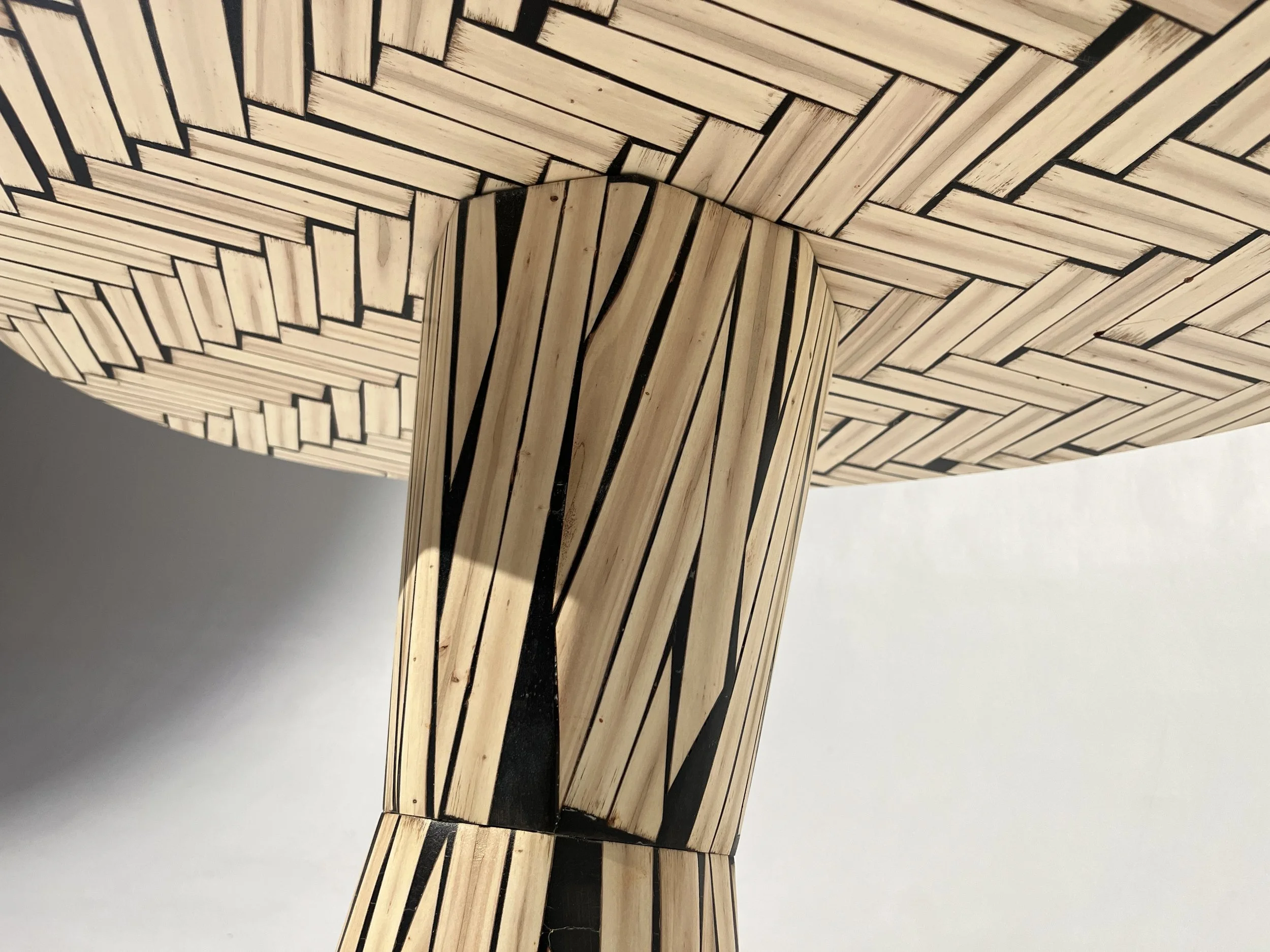
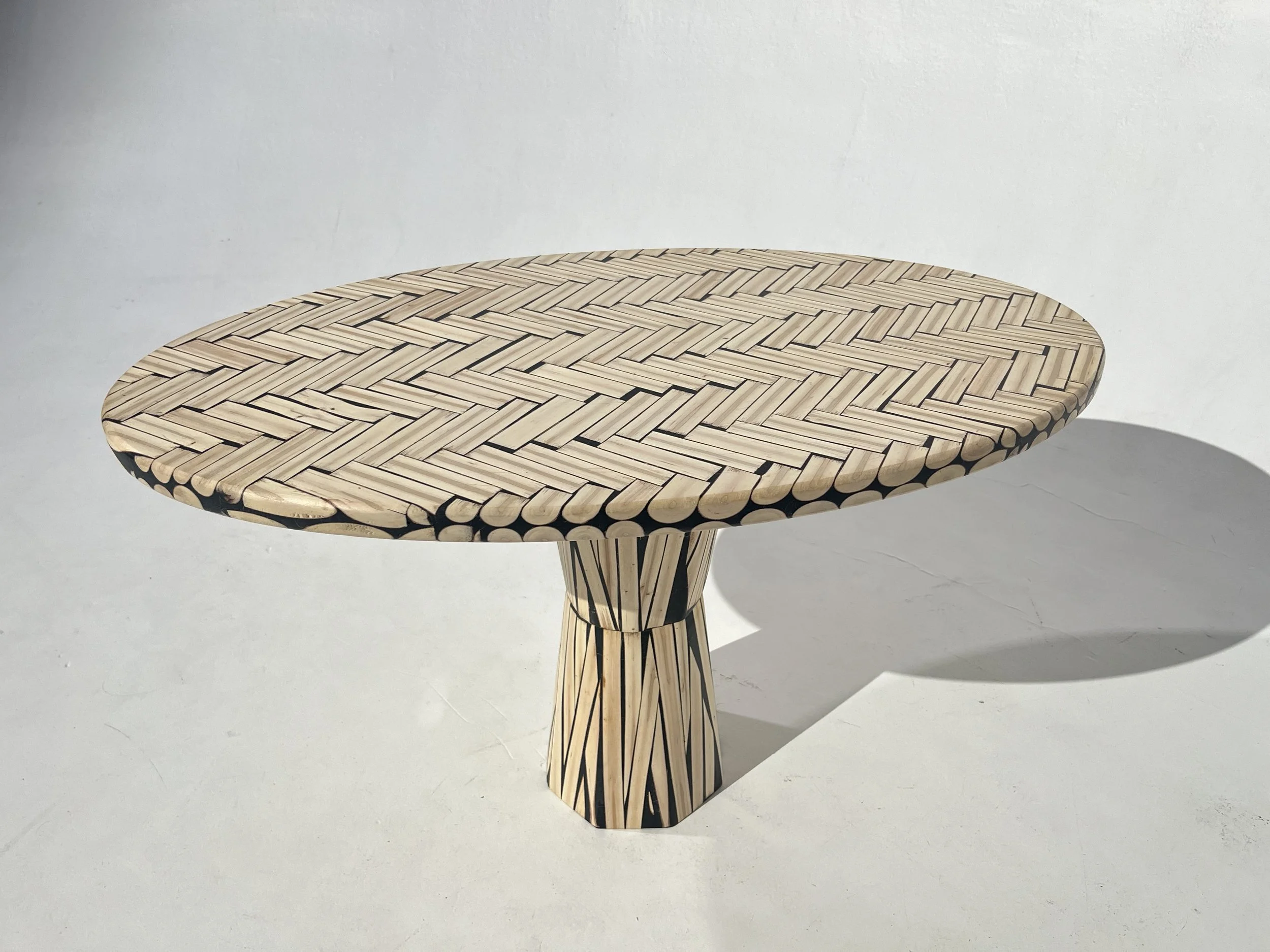
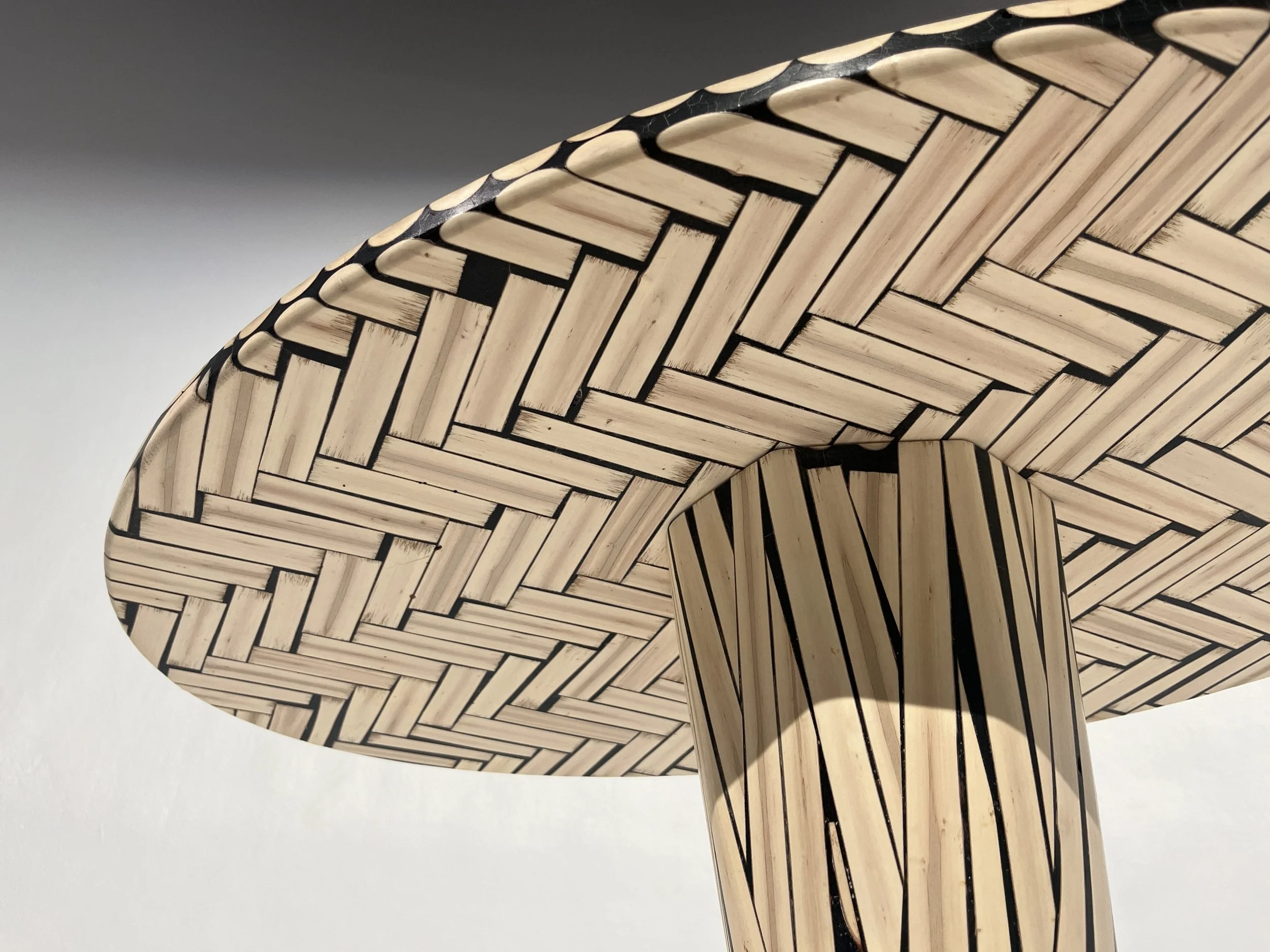
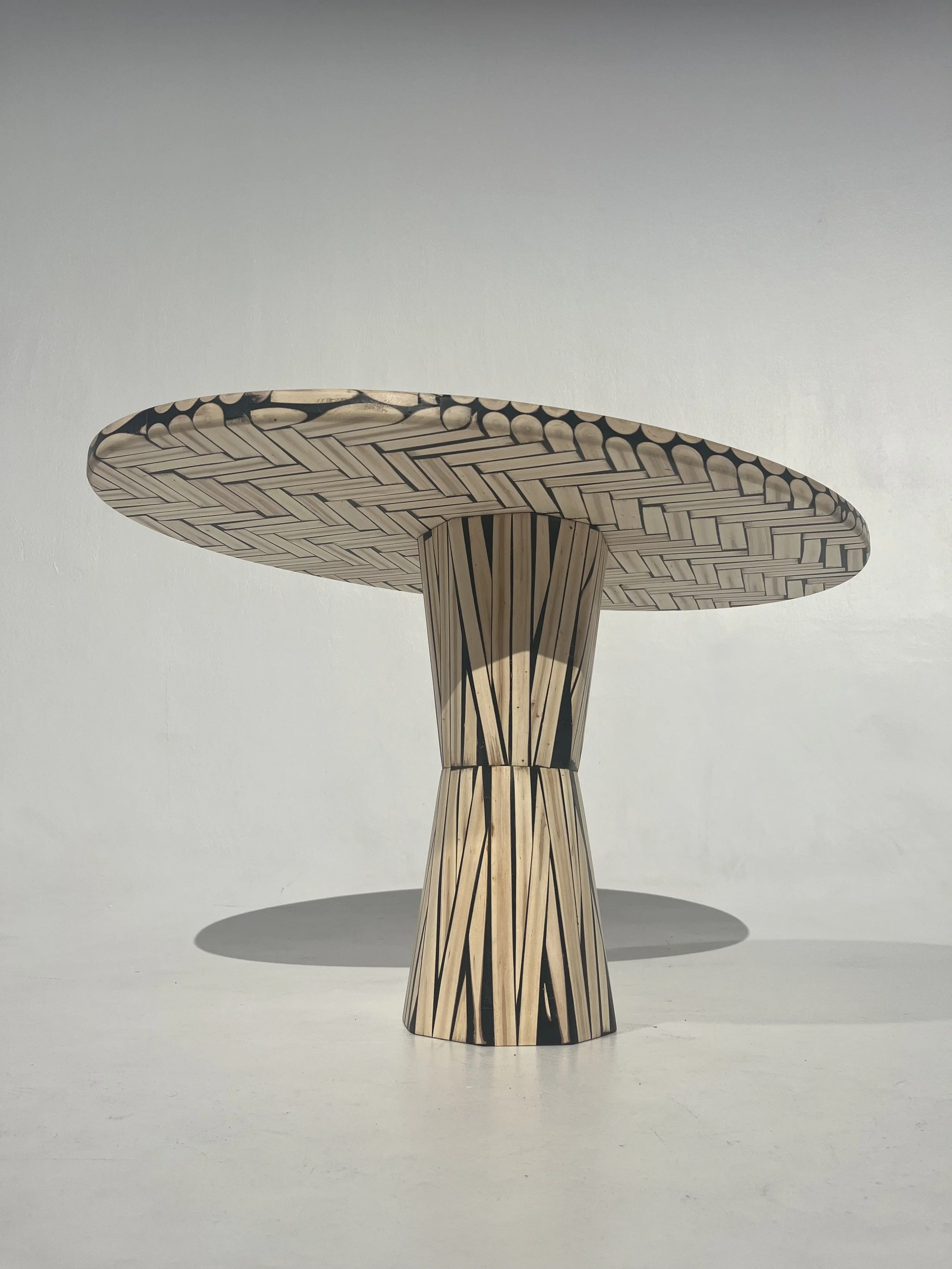
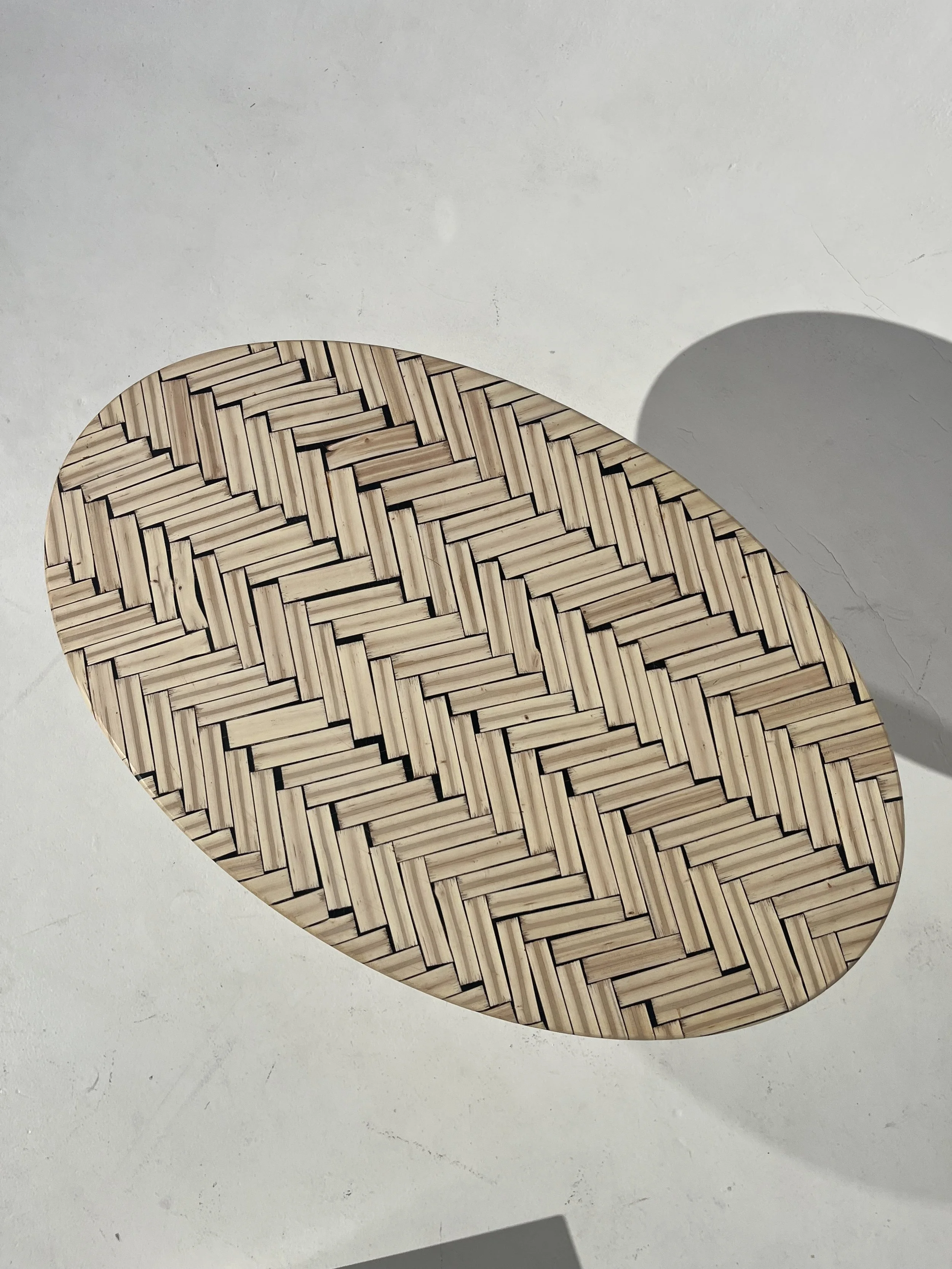
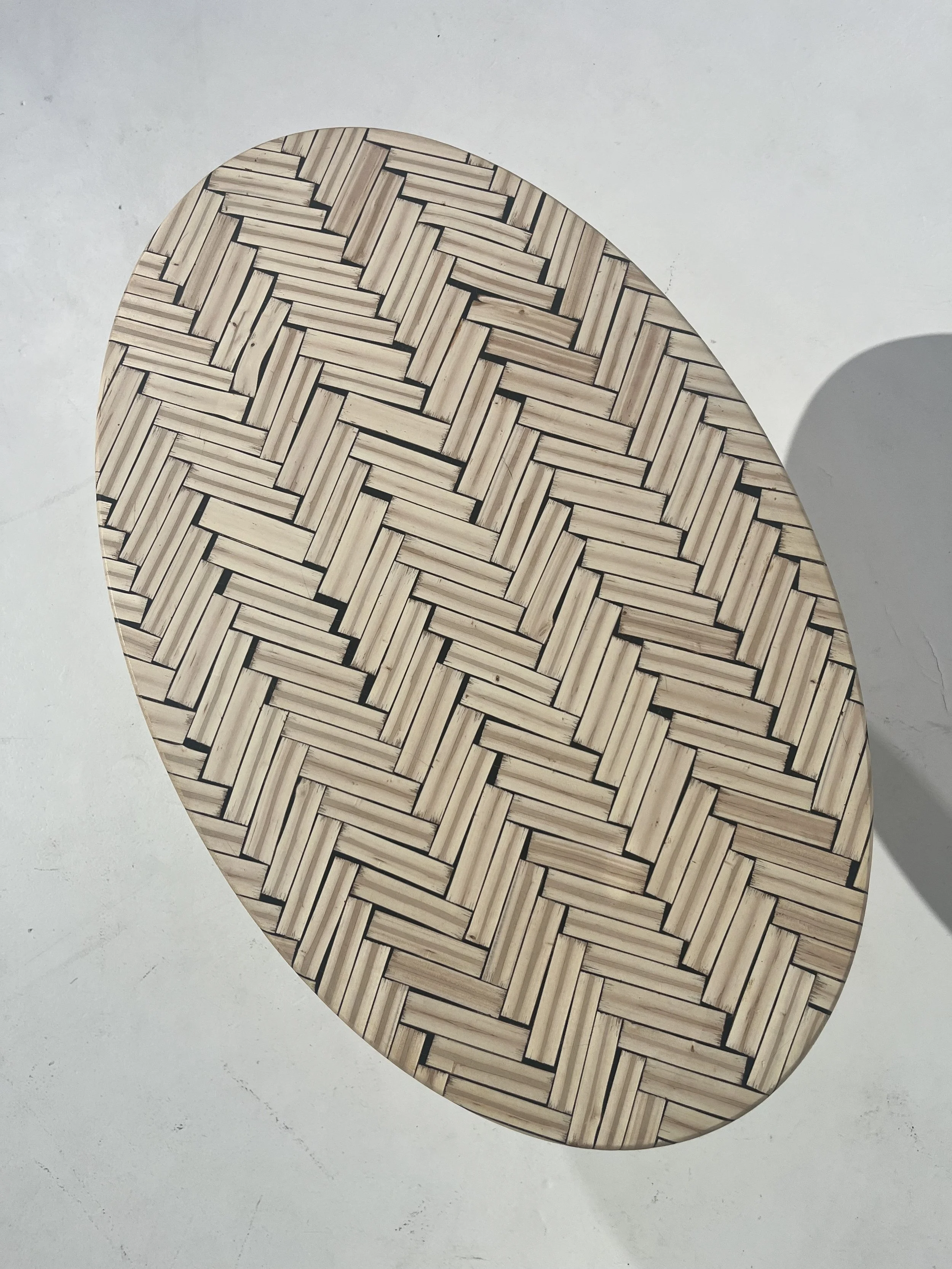
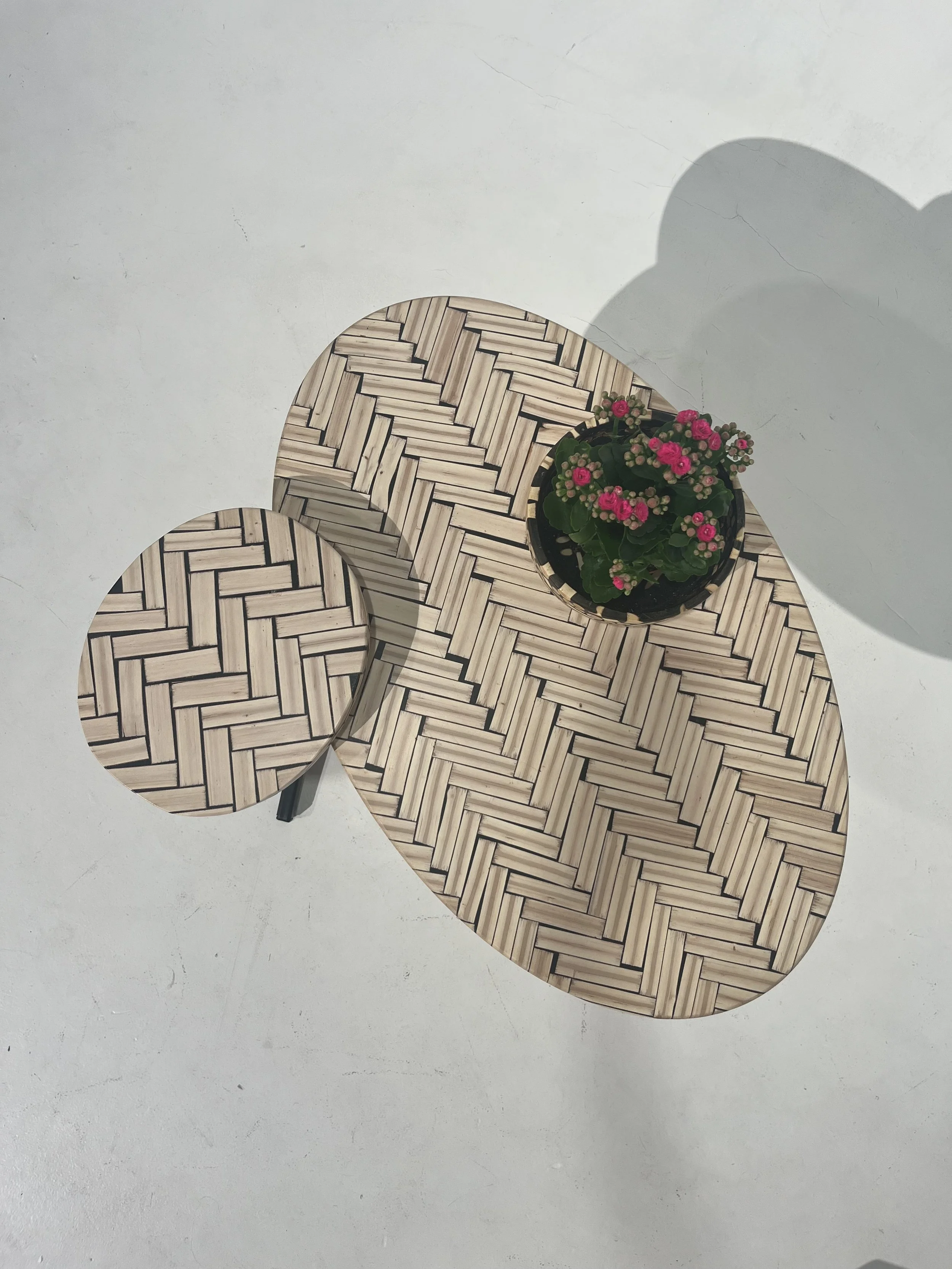
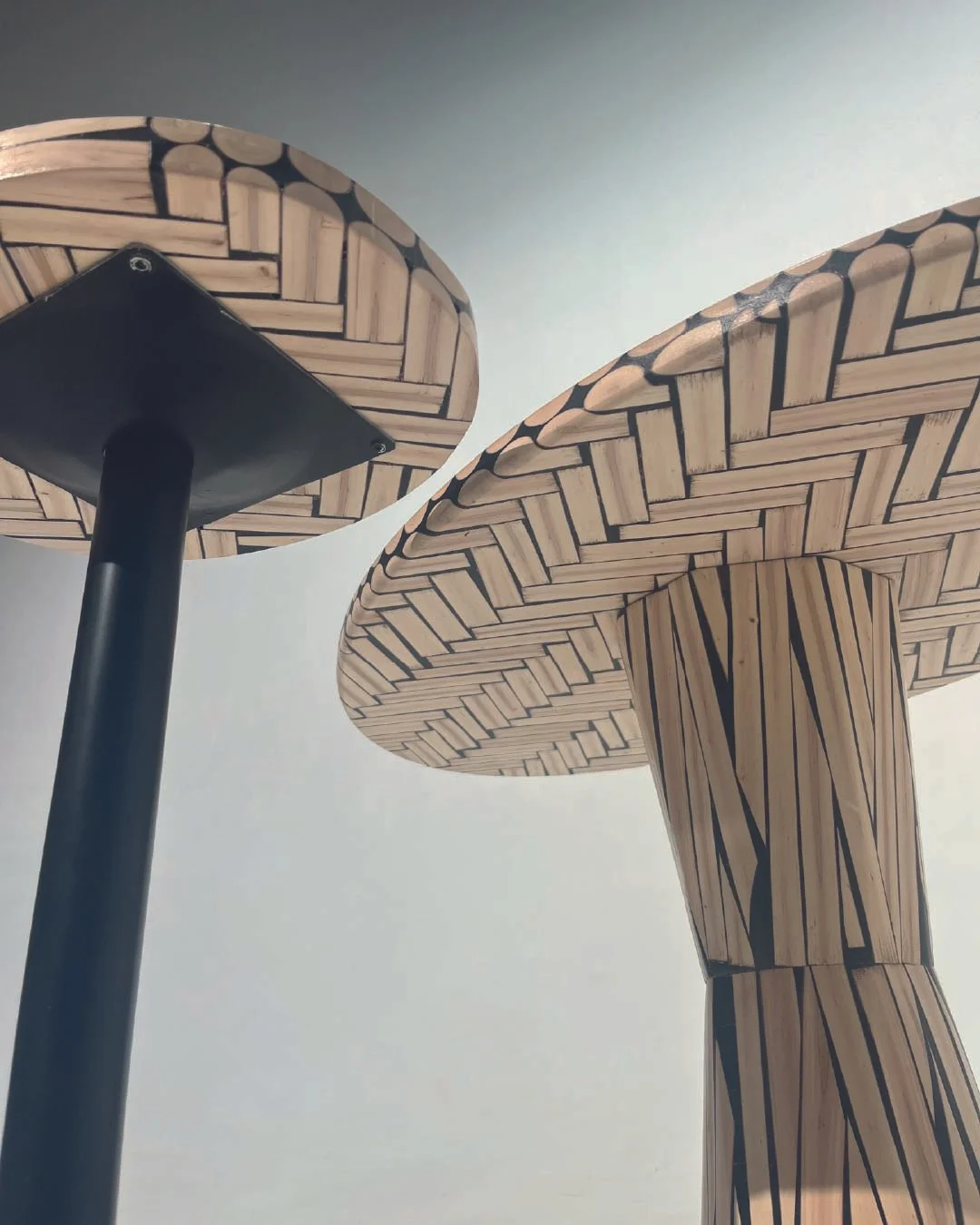
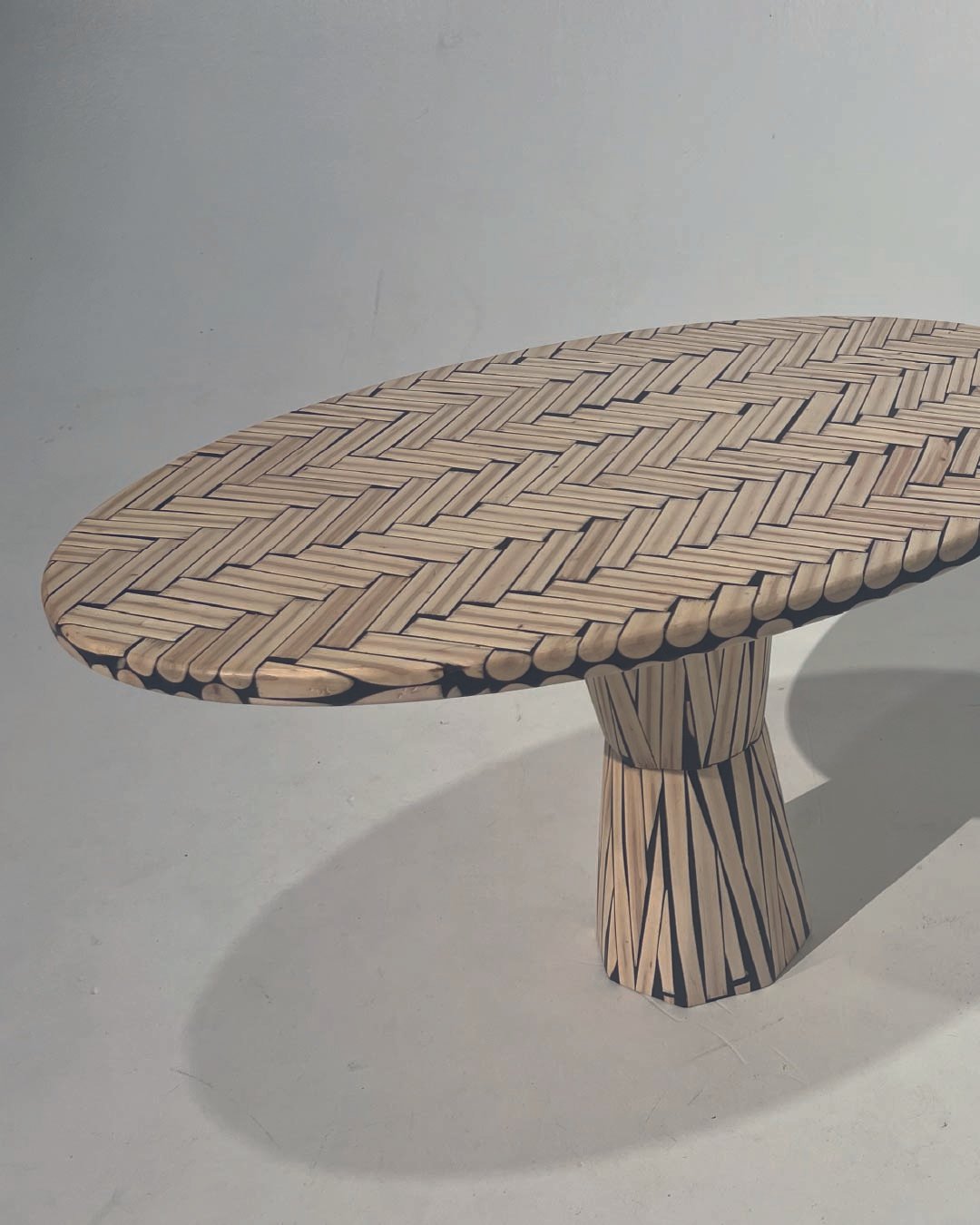
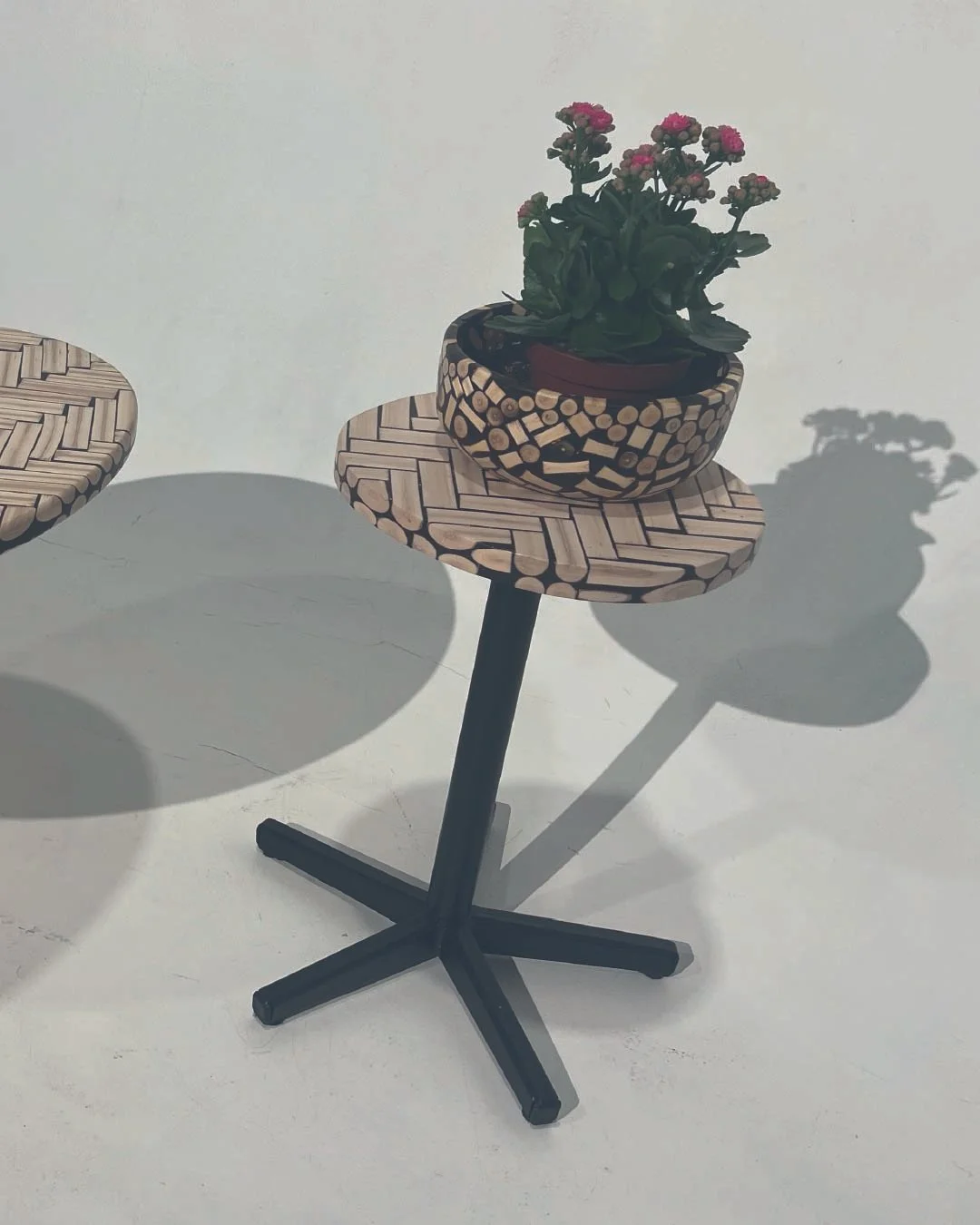
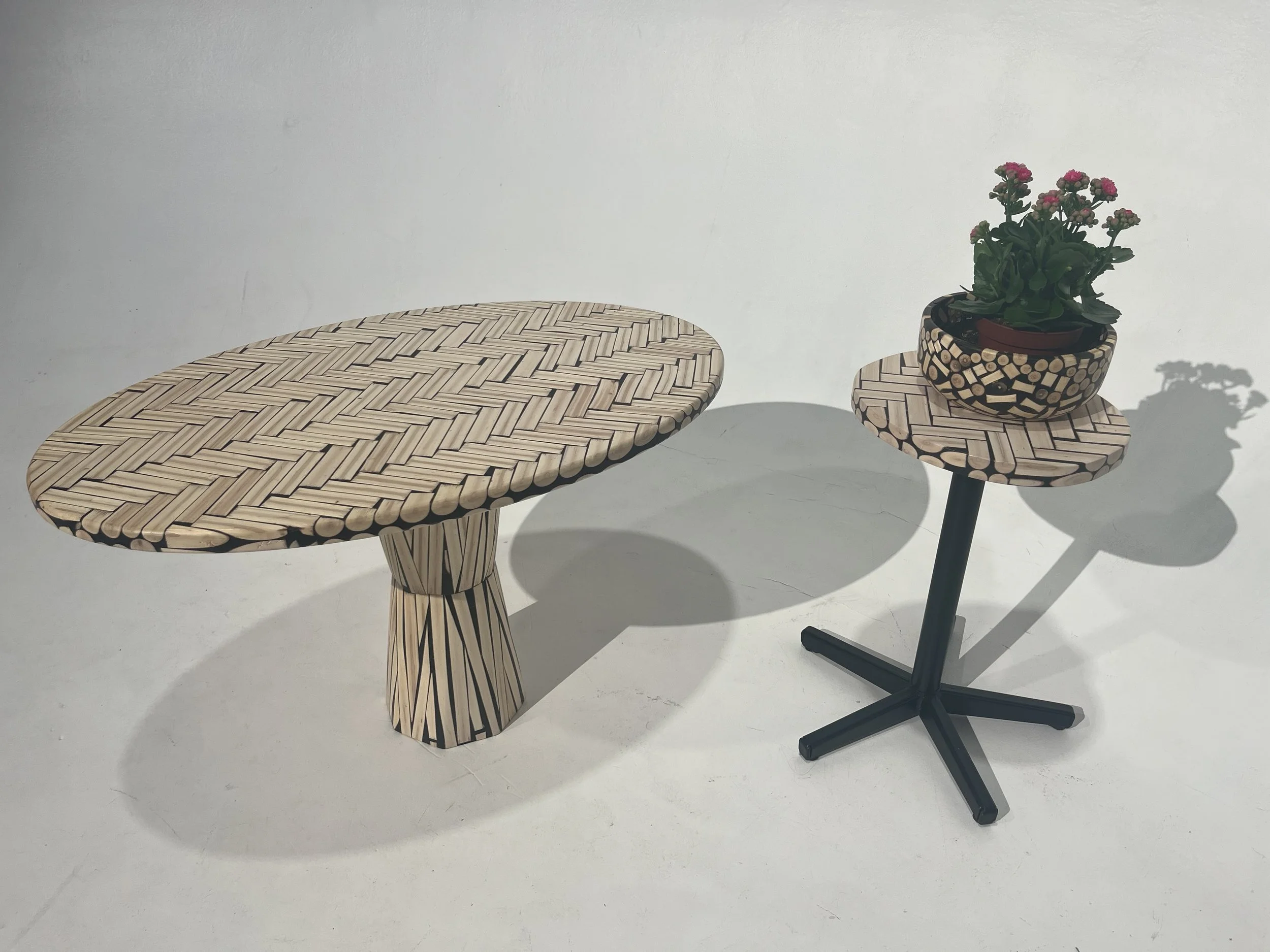
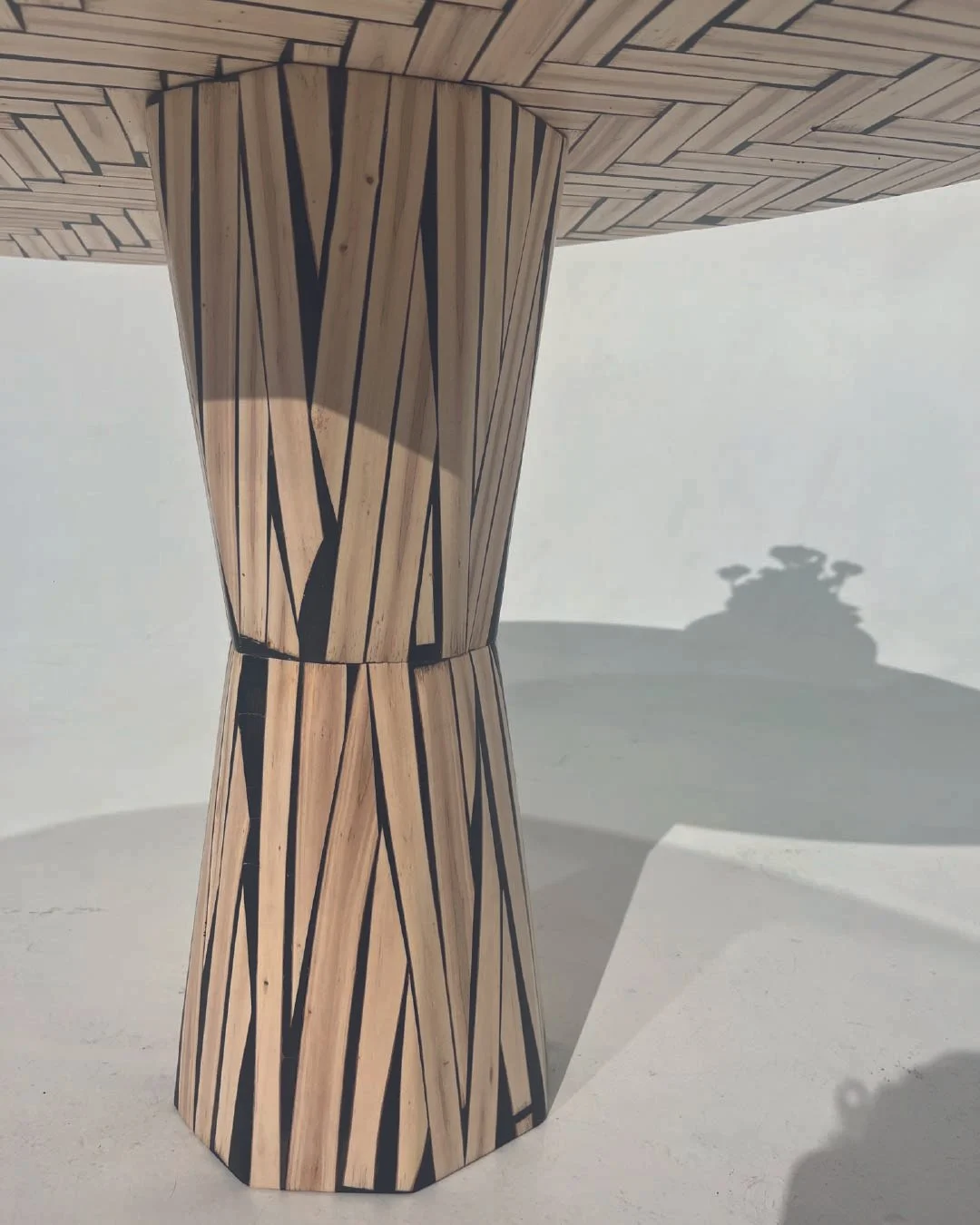
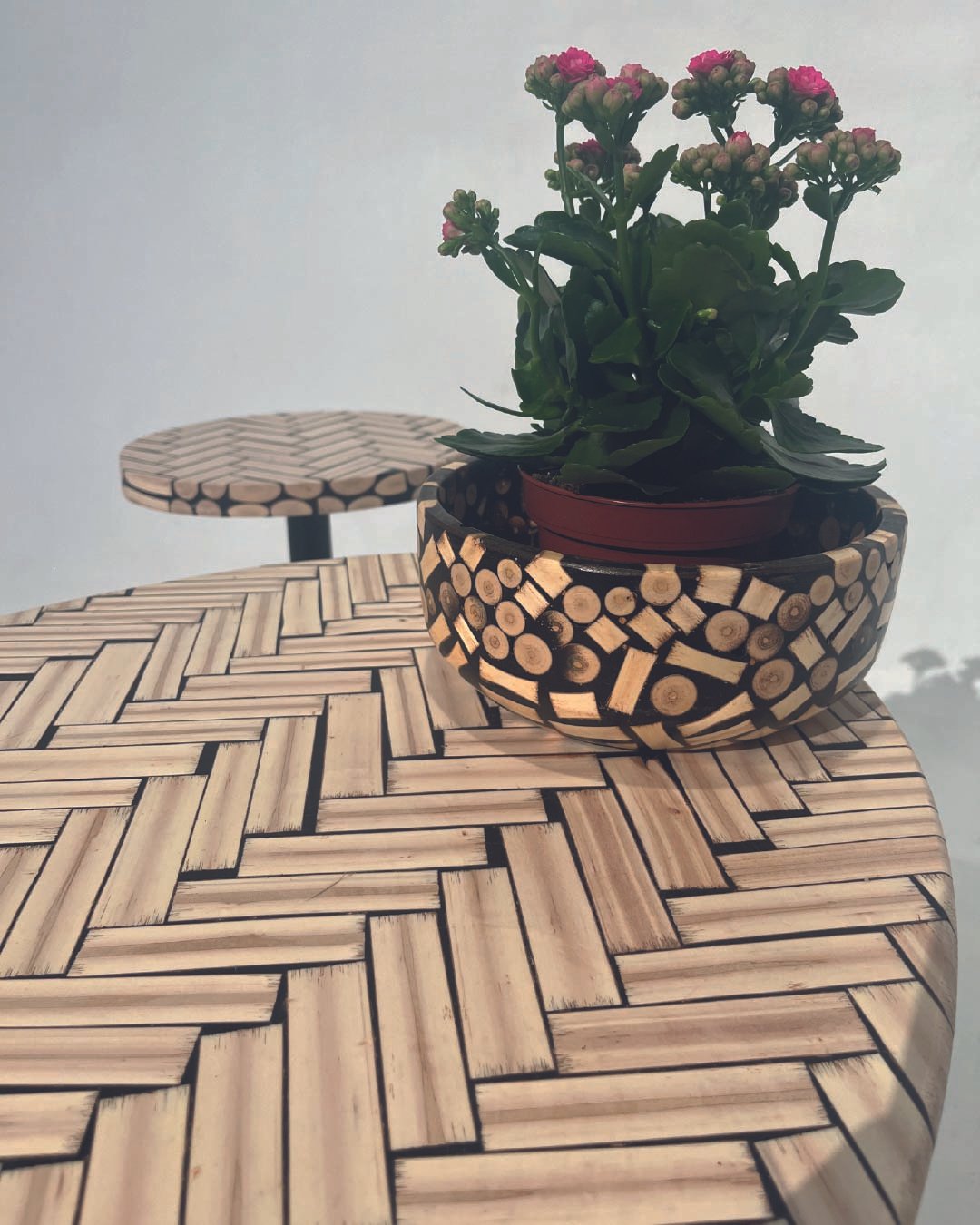
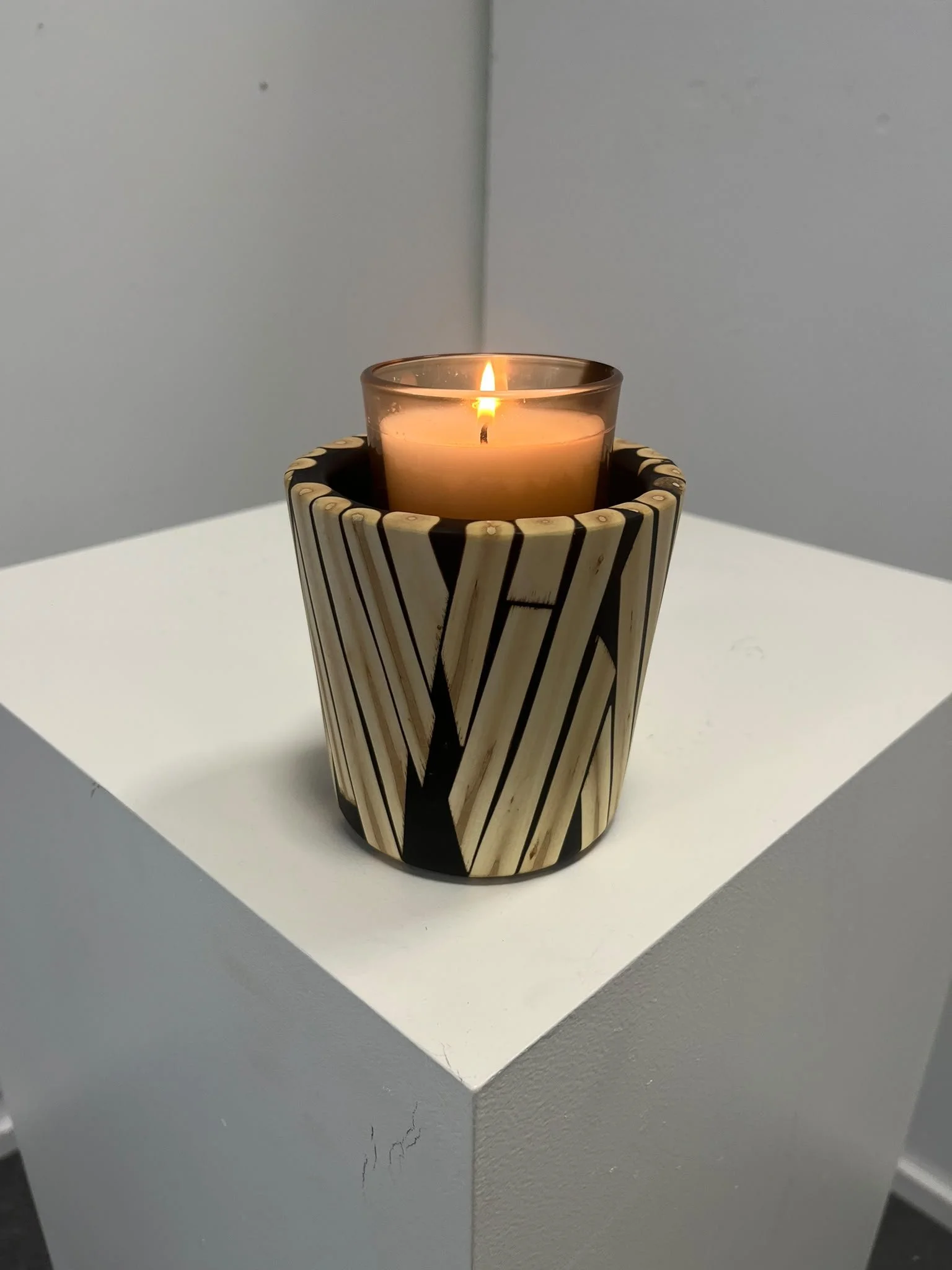
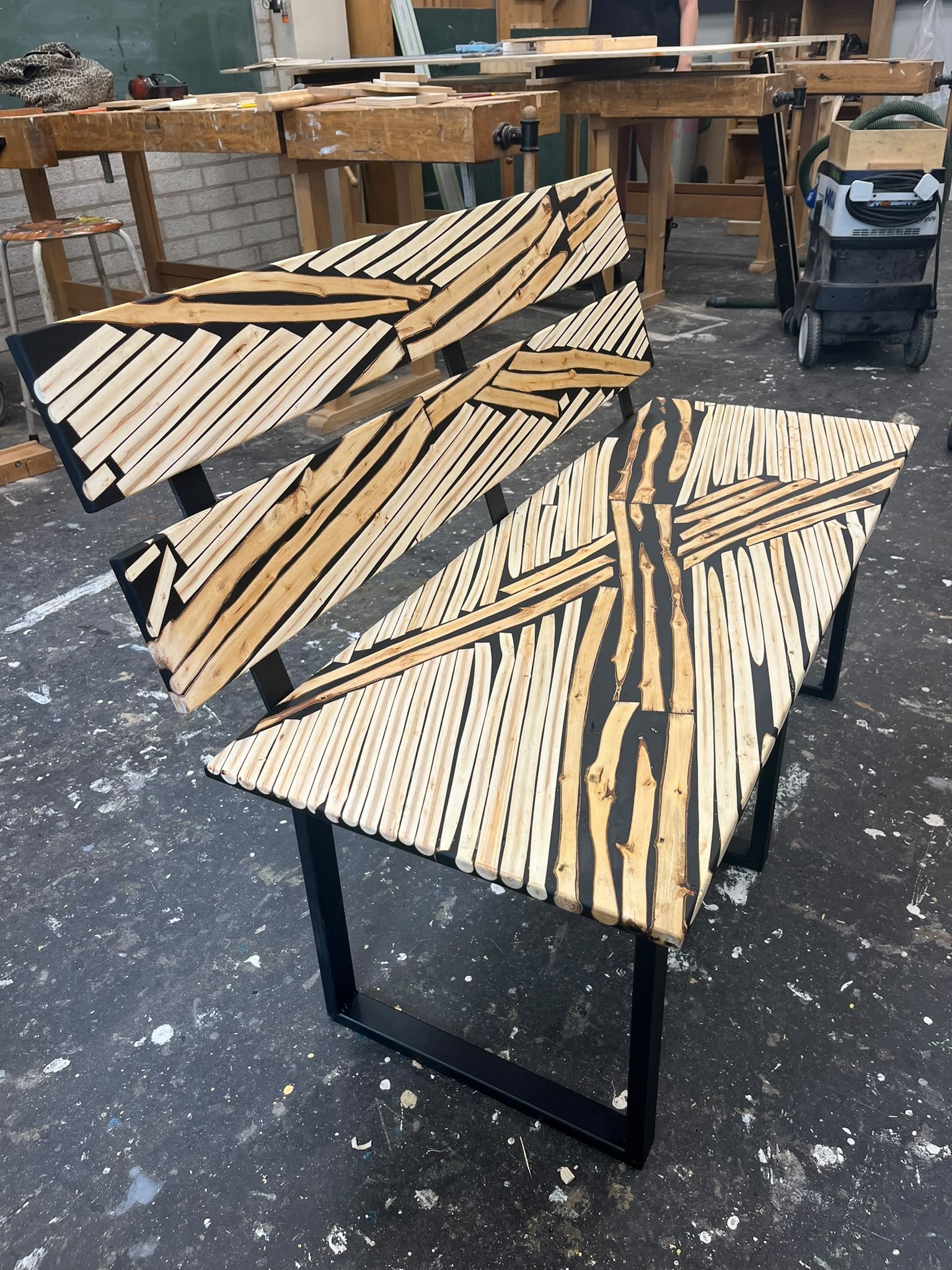
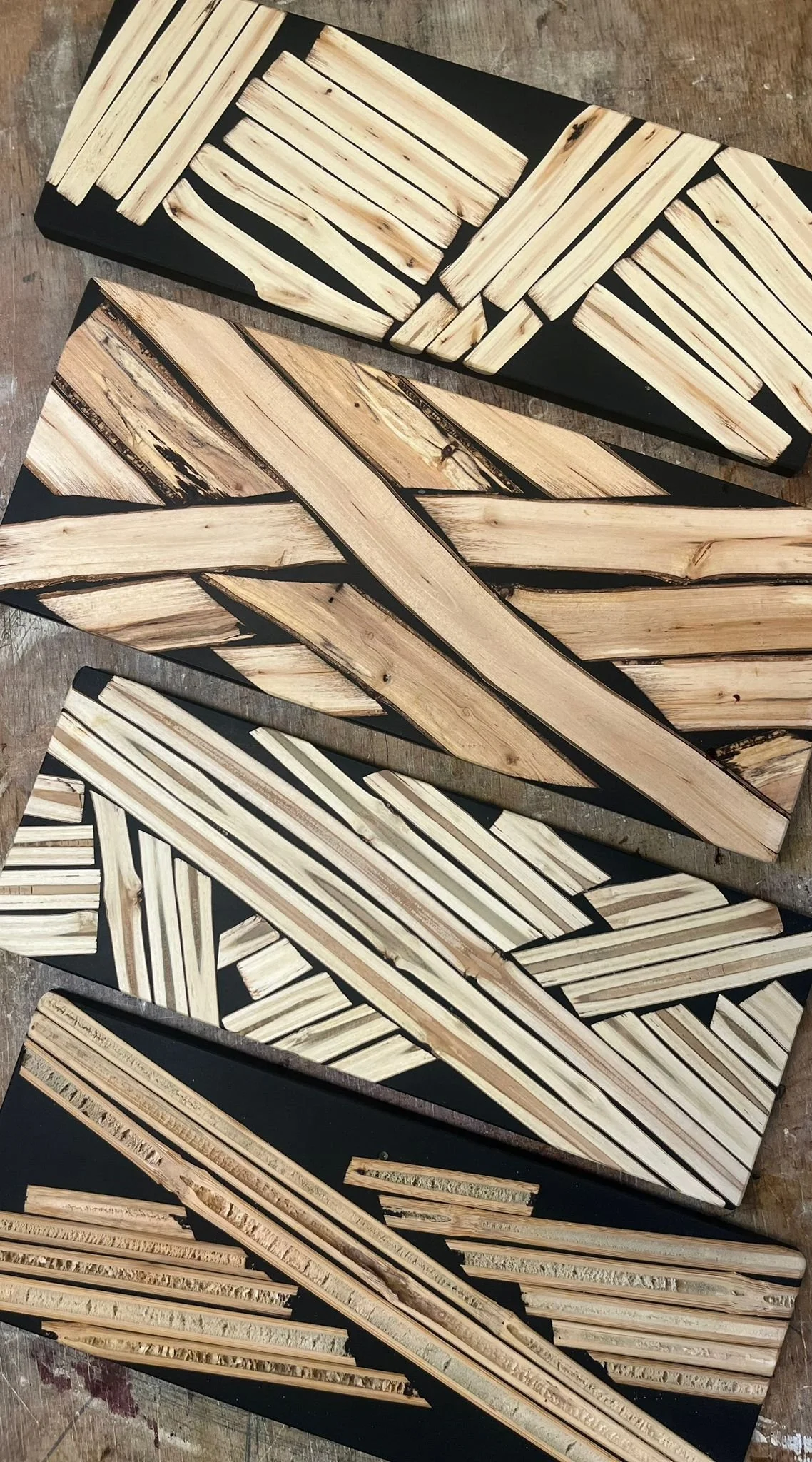
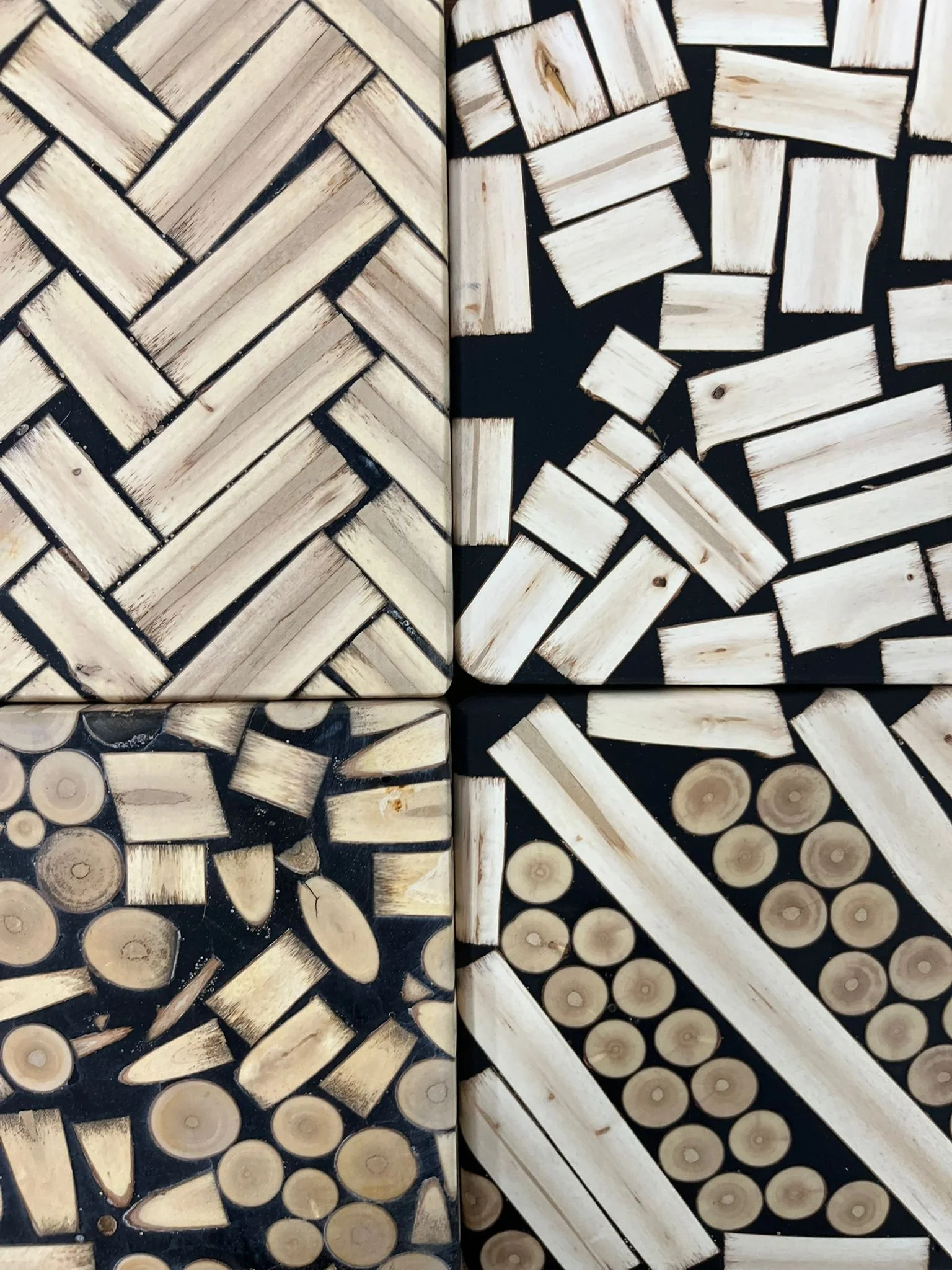
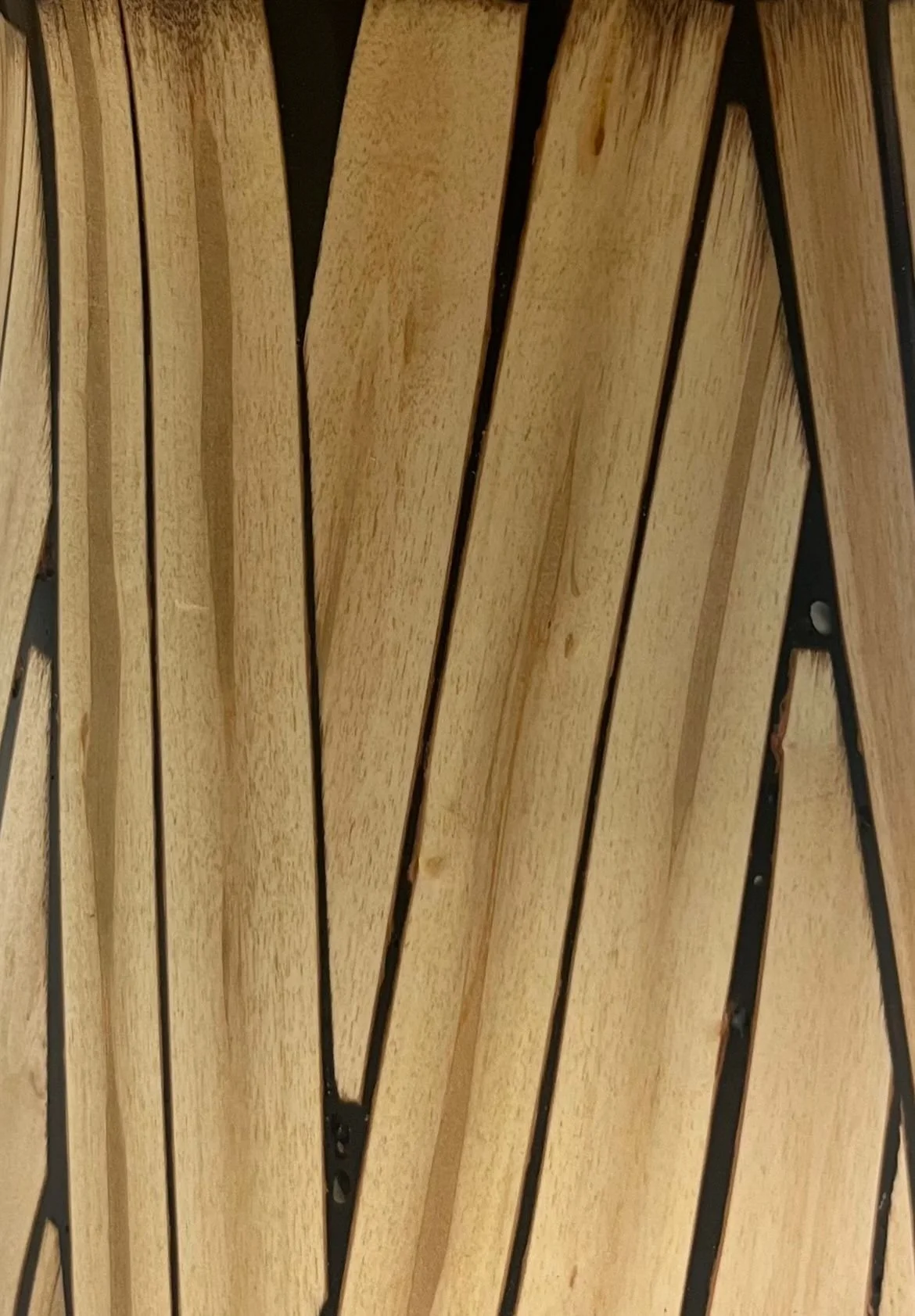
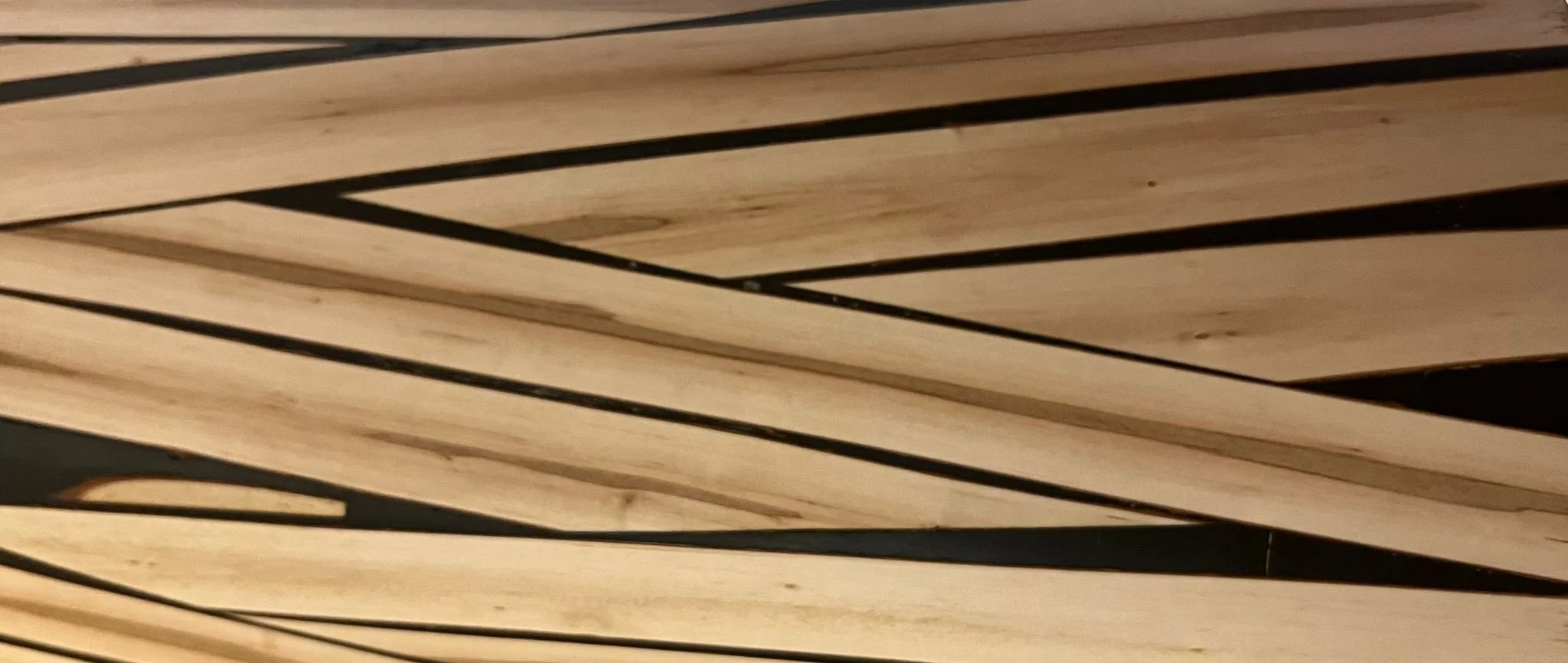
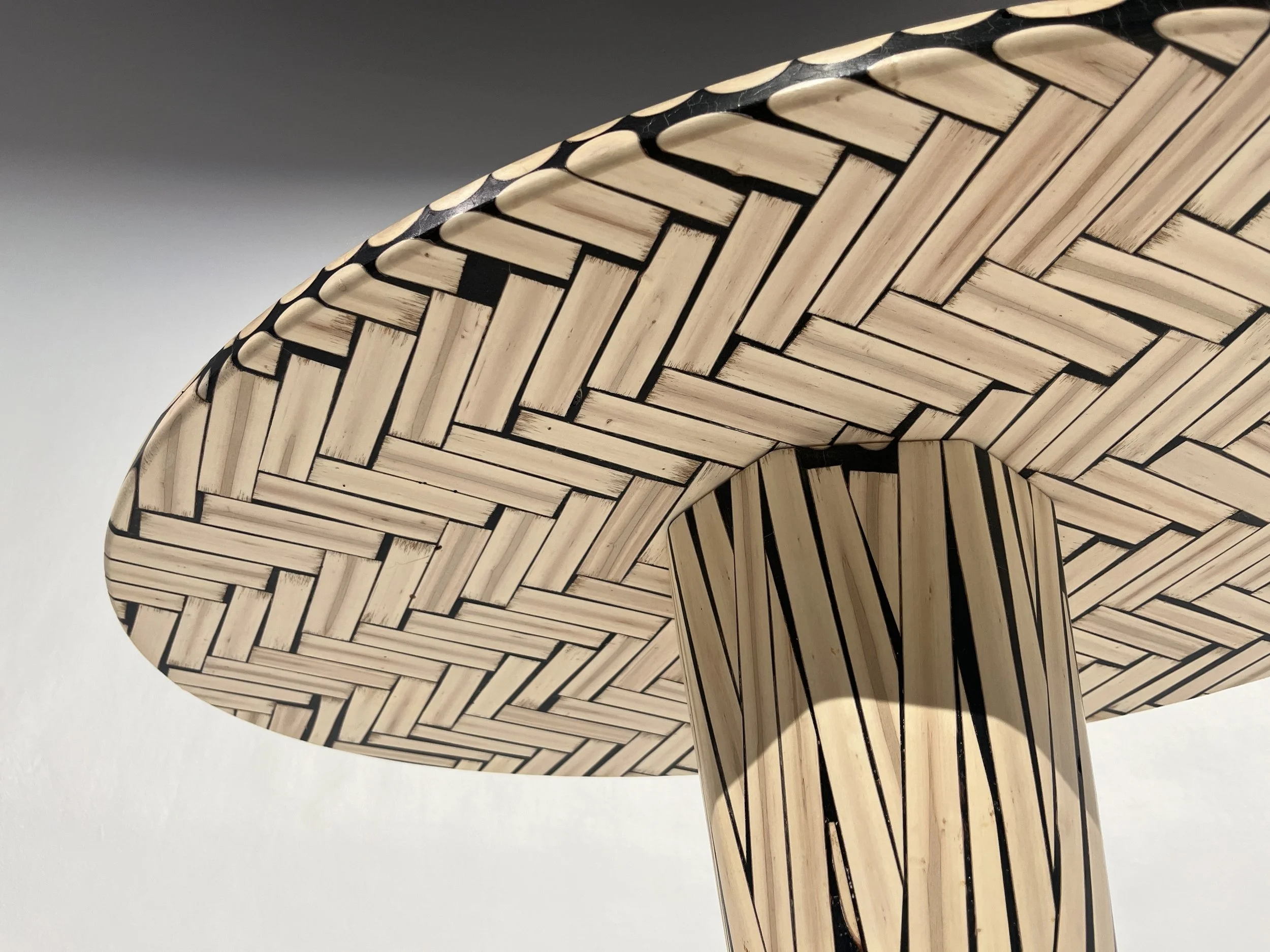
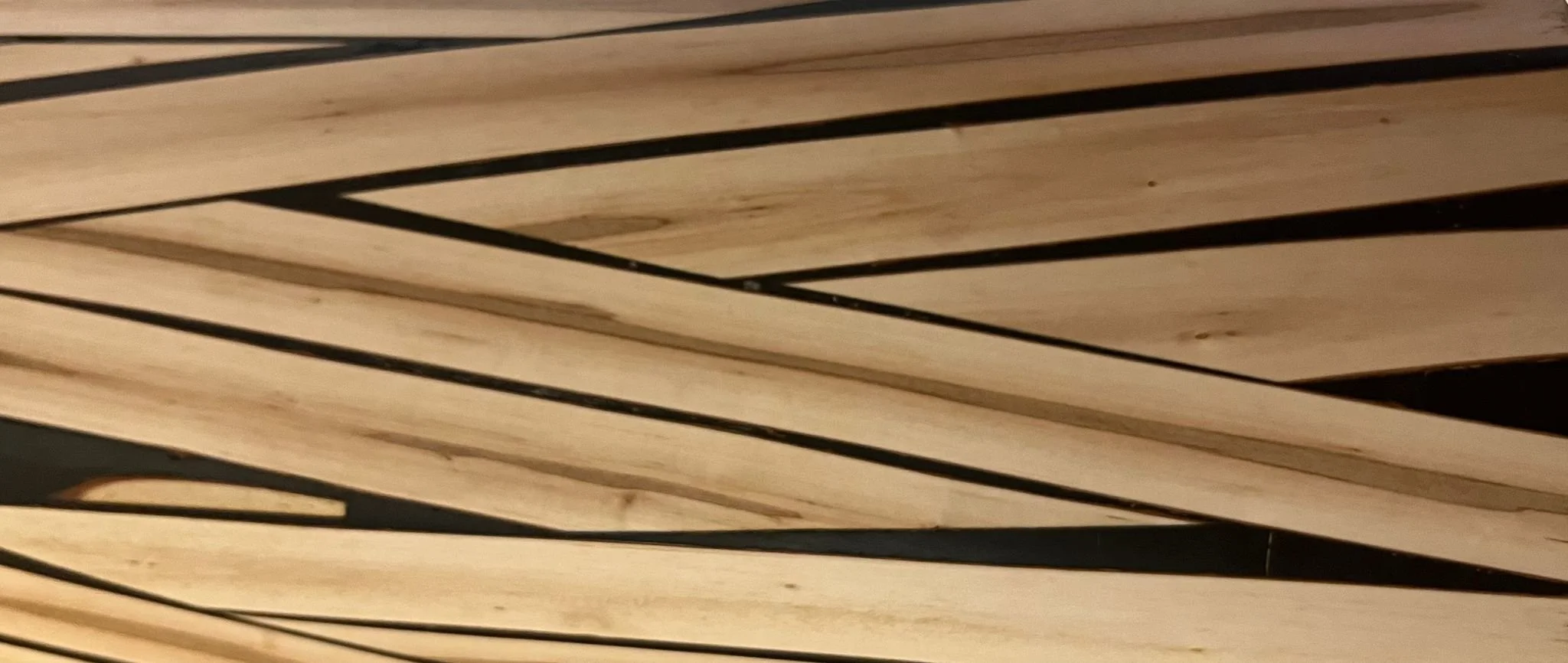
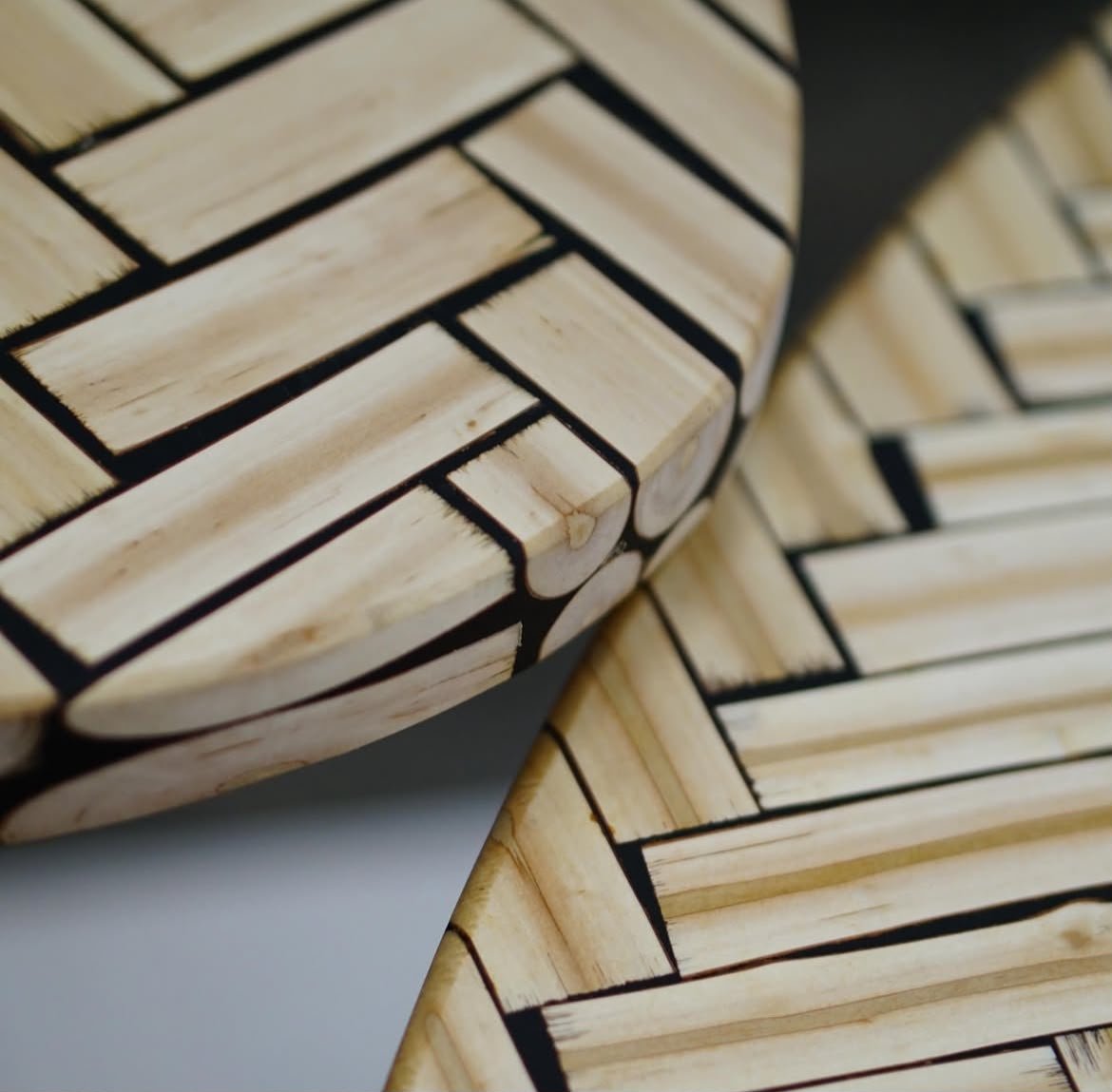
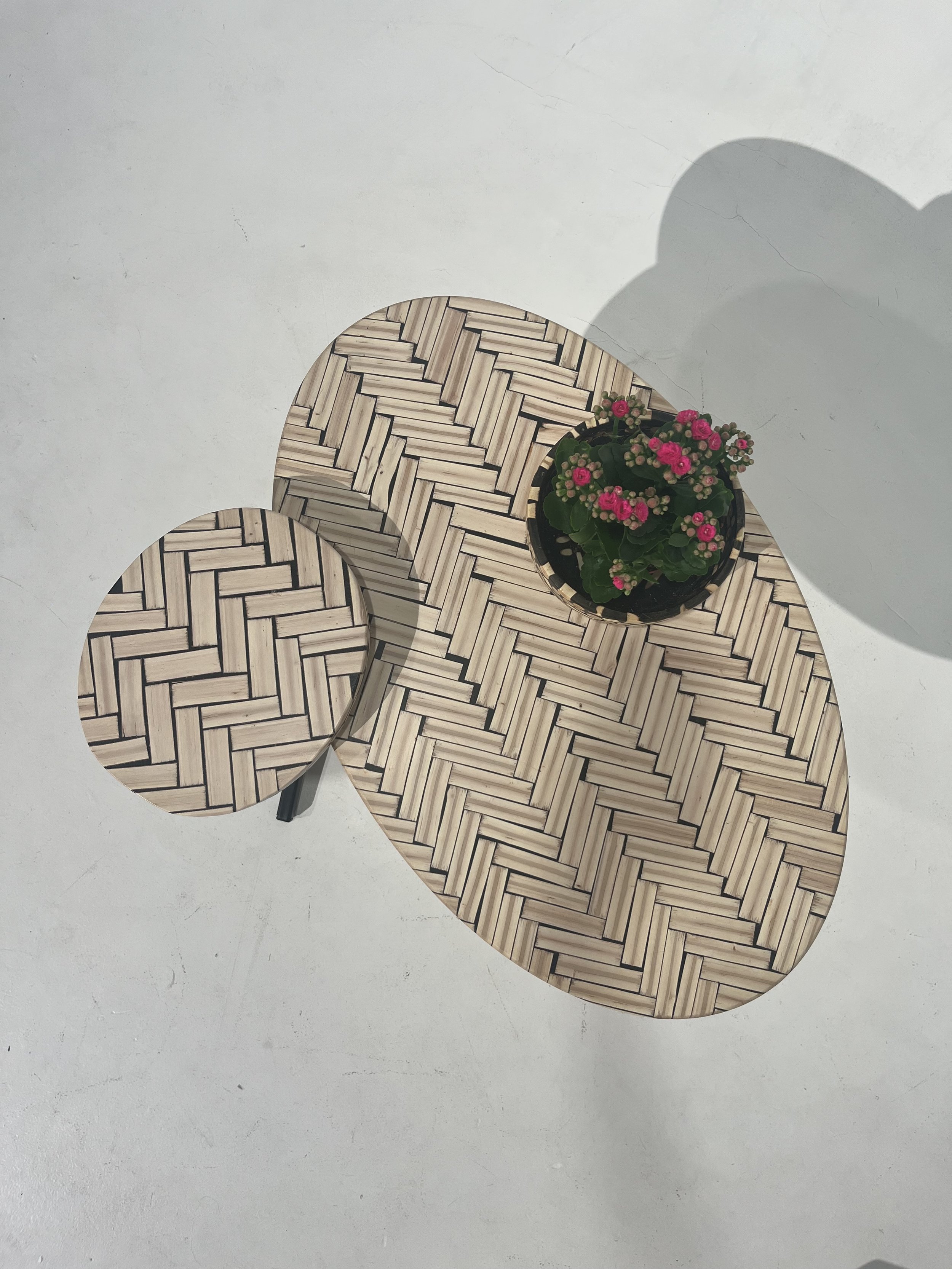
NL: Dit werk, Raw Willow, is een stijl in de vorm van meubels en woonaccessoires die opvallen door hun natuurlijke, organische uitstraling in combinatie met strak mat kunststof dat alles met elkaar verbindt. Deze objecten bestaan uit verschillende houten takken in combinatie met bioresin. Door de afwerking van deze objecten komen de nerven en tekeningen van het hout sterk naar voren, wat unieke patronen tevoorschijn haalt.
Wat eerst begon met de combinatie van wilgentakken en ruwe bioresin, waar ook de naam Raw Willow vandaan komt, heb ik verder uitgebreid door meer onderzoek te doen naar de werking in combinatie met andere takken, zoals hazelaar, berk, kastanje, bamboe en meer. De opties zijn eindeloos en de patronen zijn allemaal anders en op een unieke manier opgebouwd, wat zorgt voor een speelse dynamiek tussen deze materialen.
De combinatie tussen de strakke lijnen van de resin en de organische tekeningen van het hout komt mooi samen in deze objecten. Deze ontwerpen zijn niet alleen gemaakt om functioneel te zijn en op te vallen als eyecatchers binnen een leefruimte, maar zijn ook opgebouwd vanuit een biologische en duurzame visie.
De materialen die hiervoor worden gebruikt zijn volledig natuurlijk en worden beschouwd als biowaste. Takken van bomen worden normaal gesproken vaak gesnoeid en versnipperd om daar geperst plaatmateriaal of biocompost van te maken. Ook kunnen deze takken simpelweg worden verbrand. Ik wil juist deze ruwe takken en natuurlijke texturen terug laten komen in mijn ontwerpen.
In combinatie met bioresin zijn deze objecten volledig duurzaam. Maar waarom wordt dit gietmateriaal eigenlijk “bioresin” genoemd? Dat komt omdat dit materiaal volledig voortkomt uit onze voedselketen. Deze resin wordt namelijk gemaakt van biowaste, zoals bagasse: afval dat ontstaat uit suikerrietstengels. In combinatie met verharders, zoals zuren van bomen, reageert dit op elkaar en ontstaat er een hard kunststof dat gecombineerd kan worden met andere materialen, zoals takken.
Dit gietmateriaal is goedkoper, veiliger en veel biologischer dan andere gietmaterialen zoals epoxy, siliconen en vergelijkbare materialen. Hierdoor kunnen deze ontwerpen duurzaam én uniek zijn in elke ruimte!
Gallerij